How to prevent frozen pipes in Naples during a rare freeze
Naples does freeze, and your pipes are not built for it. Here is how to prevent frozen pipes, thaw them safely, and avoid a burst-pipe flood this winter.
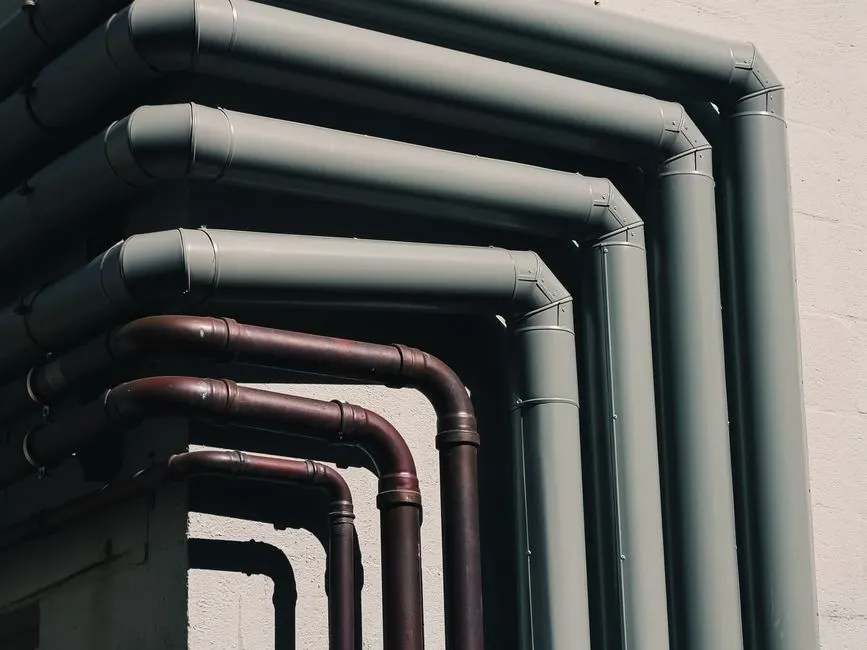
You prevent frozen pipes in Naples by keeping the water moving, wrapping every exposed line, and disconnecting outdoor hoses before the first cold front. When the temperature drops below 32°F for more than four hours, pipes in attics, garages, and exterior walls are at risk. How to prevent frozen pipes in Naples during freeze is really a checklist you run the night before, not a repair you make after the fact. We will walk through why it happens here, the exact steps that work, how to thaw a frozen line without cracking it, and when a frozen pipe has already turned into a water damage problem.
Why Naples pipes freeze when the temperature drops
Naples pipes freeze because most homes here are built for heat, not cold. We run plumbing through open attics, uninsulated garages, and exterior walls with nothing more than a half-inch of foam between the pipe and the night air. When a hard freeze pushes overnight lows into the 20s, those lines lose heat faster than the water inside can be replaced.
Collier County averages a handful of freeze nights each winter, usually December through February. The damage is not from the ice itself. Water expands about 9% when it freezes, and that expansion splits copper, cracks CPVC, and pushes joints apart. The flood starts when the ice thaws and water finds the split.
Homes in Olde Naples water damage restoration Naples territory are especially vulnerable. Many were built in the 1950s and 1960s with pipes running along exterior block walls, and the original insulation has long since settled or been removed during renovations. Newer construction in North Naples is not immune either. Builders there often run PEX through the attic, and an attic can drop 10 to 15 degrees below the outdoor air temperature on a clear, windy night.
How do I prevent frozen pipes in Naples during a freeze?
You prevent frozen pipes by keeping water moving and keeping cold air away from the pipe. The steps below take about 30 minutes and cost under $50 for most homes.
- Drip the faucets. Open the hot and cold sides of the sink farthest from where the water line enters your home. A pencil-thin stream keeps water moving and relieves pressure if ice does form.
- Open cabinet doors. Leave vanity and kitchen cabinet doors open under every sink on an exterior wall. Warm room air reaches the pipes.
- Disconnect and drain hoses. Pull every garden hose off the spigot and store it. A hose left connected traps water in the faucet and the line behind it.
- Cover the spigots. A $4 foam faucet cover does more than most people expect. We see far fewer split hose bibs on homes that use them.
- Set the thermostat. Hold indoor temperature at 68°F or higher, day and night, until the freeze passes. Do not use a setback schedule during a freeze.
- Open interior doors. Leave bathroom and laundry room doors open so warm air circulates to the fixtures on exterior walls.
If you leave town for the season, do not just turn the thermostat down and hope. Either keep the heat at 65°F or higher, or have the system winterized and the water shut off at the main. We get called to more vacant-home floods in January than any other month.
Outdoor and exposed pipe protection
Outdoor pipes need physical insulation, not just warm air. Foam pipe sleeves from any Naples hardware store cost about $1 per six-foot section and take minutes to install. Wrap every exposed line in the garage, under the house, and along the exterior wall.
For pipes in an open crawl space, foam sleeves alone are not enough. We recommend heat tape rated for outdoor use, plugged into a GFCI outlet, plus a layer of fiberglass insulation over the top. If your home sits on a crawl space, our team handles crawl space water extraction Naples FL year-round, and frozen supply lines are one of the most common reasons we get called out in winter.
Irrigation systems are the other big one. Shut the system off at the backflow preventer, drain the lines, and blow them out with compressed air if you have a compressor. A split irrigation line under a Naples lawn can run for days before anyone notices, and by then the water has found the foundation.
What should I do if my pipes freeze in Naples FL?
If your pipes freeze, shut off the water at the main and open the nearest faucet before you do anything else. That single step limits how much water can escape if the pipe has already split.
Signs a line is frozen include no water at one fixture while others run fine, a faint whistling or gurgling sound in the wall, frost on an exposed pipe, and a section of drywall that feels cold to the touch. If you see water running down a wall or pooling under a cabinet, the pipe has already burst. Turn off the main, kill power to any affected outlets, and call us.
Do not run a space heater unattended in a closed cabinet, and do not pour boiling water directly on a frozen pipe. Both cause more damage than the freeze itself. If water has already reached carpet, drywall, or flooring, the clock starts immediately. Mold can begin colonizing wet materials in 24 to 48 hours in a Naples home, even in winter, because indoor humidity stays high.
How to thaw frozen pipes safely in Naples
You thaw a frozen pipe by warming the air around it, starting at the faucet end and working back toward the frozen section. Never start in the middle. Trapped water between two ice plugs can flash to steam and burst the pipe.
Use a hair dryer on low, a heat lamp, or a portable space heater placed a few feet away. A towel soaked in hot water wrapped around the pipe works well for copper. Expect 15 to 45 minutes per frozen section, longer if the pipe runs through an exterior wall.
What you should never use: an open flame, a propane torch, or a heat gun on its highest setting. Copper will not visibly glow before it fails, and CPVC softens and deforms at around 200°F. If you cannot reach the frozen section safely, or if the pipe is inside a finished wall, stop and call a licensed plumber.
Common mistakes that turn a frozen pipe into a flood
The most expensive mistake we see is waiting to shut off the water. Homeowners hear a noise, assume it is nothing, and go back to bed. By morning, a half-inch split has released hundreds of gallons into the ceiling.
Other mistakes that cost Naples homeowners real money:
- Leaving the house during a freeze. A vacant home with a burst pipe can run water for days before anyone notices.
- Turning the heat off to save money. The $40 you save on electricity is nothing next to a $6,000 to $15,000 restoration bill.
- Using a torch on a frozen line. This is how house fires start in January.
- Ignoring a slow drain or a dripping joint. A pipe that has already been stressed once is far more likely to fail the next time.
- Not knowing where the main shutoff is. Find it today, tag it, and make sure everyone in the house knows how to turn it.
If a pipe does burst, the difference between a $1,200 repair and a $12,000 restoration is usually how fast someone shuts off the water and calls for help. Our pipe burst cleanup and repair Naples FL team handles both the plumbing repair and the water damage in one visit, which keeps the mess from spreading while two different contractors coordinate schedules.
When to call a professional
Call a professional when the frozen section is inside a finished wall, when you cannot find the shutoff, or when water is already visible on floors, ceilings, or cabinets. Those are not DIY situations. A hidden leak behind drywall can soak insulation and framing for weeks before it shows.
We handle the full job: locate the break, stop the water, extract what has pooled, and dry the structure with commercial equipment. If you are dealing with standing water right now, our 24/7 emergency water damage services Naples FL line is staffed around the clock. For homes across the city, we provide water damage restoration Naples FL with upfront pricing before any work begins.
One more thing worth knowing: if a freeze cracks a pipe in your attic, the water often travels along a joist and shows up 20 feet away. Do not assume the wet spot is where the leak is. We use thermal imaging and moisture meters to trace it back to the source.
Frequently Asked Questions
How do I prevent frozen pipes in Naples during a freeze?
Drip the farthest faucets on hot and cold, open cabinet doors under exterior-wall sinks, disconnect and drain garden hoses, cover spigots with foam caps, and hold your thermostat at 68°F or higher. These six steps prevent most freeze-related pipe failures in Naples homes.
What should I do if my pipes freeze in Naples FL?
Shut off the water at the main and open the nearest faucet to relieve pressure. Then thaw the line slowly with a hair dryer or space heater, starting at the fixture end. If you see water on the floor or wall, the pipe has burst and you should call a restoration team immediately.
How do I thaw frozen pipes safely in Naples?
Warm the air around the pipe with a hair dryer on low, a heat lamp, or a space heater placed a few feet away. Start at the faucet and work toward the frozen section. Expect 15 to 45 minutes per section. Never use a torch or open flame.
Can frozen pipes burst in Naples?
Yes. Water expands about 9% when it freezes, which is enough to split copper, CPVC, and PEX. Naples sees freeze nights most winters, and homes with pipes in attics, garages, or exterior walls are the most likely to fail.
Does insurance cover frozen pipe water damage in Naples?
Most standard homeowner policies in Florida cover sudden water damage from a burst pipe, including extraction, drying, and repairs. They typically do not cover damage from neglect, such as leaving a vacant home unheated. Document everything with photos before cleanup starts.
Get help with water damage restoration Naples in naples
If a frozen pipe has already let water into your home, we can be on-site fast to stop the spread and start drying. Call us at +1 (725) 309-8505 and we will walk you through shutting off the water while a crew heads your way.