Signs of hidden water damage behind walls in Olde Naples homes
Musty smells, bubbling paint, and soft baseboards are the classic signs of hidden water damage behind walls in Olde Naples homes. Here is how to catch it early.
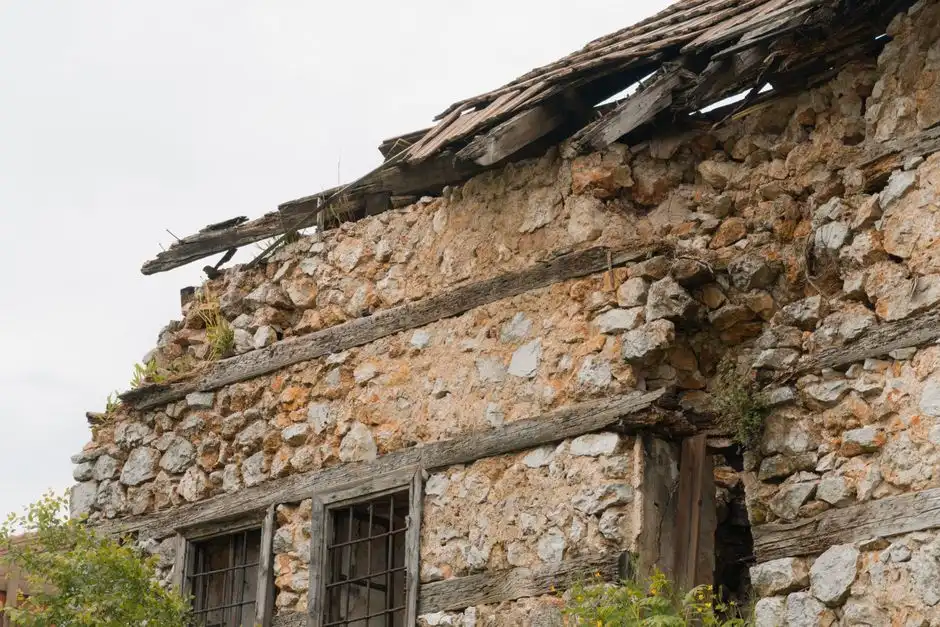
The most common signs of hidden water damage behind walls in Olde Naples homes are a musty smell that will not clear, paint that bubbles or peels in one spot, baseboards that feel soft or stained, and a water bill that climbs with no change in use. In a 1920s cottage or a 1970s ranch a few blocks off Gulf Shore Boulevard, the wall cavity can hold moisture for weeks before you see a single drop on the floor.
This post walks you through the specific signs we look for, how we find the leak without tearing your house apart, what mold risk looks like in our climate, and what repairs run in 2026.
Why Olde Naples homes hide water damage so well
Olde Naples homes hide water damage because of how they were built: plaster-and-lath walls, copper or galvanized supply lines, cast iron drains, and slab-on-grade or pier-and-beam foundations that let water travel sideways before it ever shows up. A pinhole leak in a copper line can run down the inside of a stud bay for a month and only show as a faint stain on the ceiling below.
Plaster is the biggest reason. Unlike modern drywall, plaster-and-lath soaks up moisture like a sponge and releases it slowly. By the time the surface feels damp, the lath behind it has often been wet long enough for wood rot to start.
Our subtropical humidity makes it worse. From June through October, outdoor air sits at 75 to 85 percent relative humidity, so a wall cavity that gets wet in July may not dry out until December - if it dries at all. That is the window where mold takes hold.
We see this pattern constantly in the older blocks of the neighborhood. Homeowners searching for water damage restoration Naples in Olde Naples usually call us after they have already noticed the smell, not the leak.
What are the signs of hidden water damage behind walls in Olde Naples?
The signs of hidden water damage behind walls in Olde Naples fall into four groups: smell, sight, touch, and money. If you have two or more of the following, you almost certainly have moisture in a wall cavity.
Smell
- A musty, earthy, or wet-cardboard odor that gets stronger when the AC runs or when you close up the house.
- A smell that is worst in one room and fades as you move away from that wall.
- A faint bleach-like or ammonia note - that usually means microbial growth, not just damp wood.
Sight
- Paint that bubbles, blisters, or peels in a patch smaller than a dinner plate.
- Brown or yellow water rings on ceilings and upper walls, especially under second-floor bathrooms.
- Dark streaks running vertically down a wall, or a chalky white efflorescence line near the floor.
- Warped or separating crown molding and baseboards.
Touch
- Baseboards that give when you press them, or that feel cooler than the wall above.
- Drywall or plaster that sounds hollow or crumbles when tapped.
- Soft spots in the floor near a wall - a classic sign of a slow supply-line leak.
Money
- A water bill 15 to 30 percent higher than the same month last year with no change in irrigation or guests.
- A water heater that runs longer, or a toilet that refills on its own.
Any one of these is worth investigating. Two or more together is a call.
How do I know if I have hidden water damage in my Naples home?
You know you have hidden water damage in your Naples home when a moisture meter reads above 16 percent wood moisture content inside a wall cavity, or when a thermal camera shows a cold band that does not match the rest of the wall. Both are readings we take on every inspection, and both are things you can approximate at home.
Here is the DIY sequence we suggest before you call anyone:
- Shut off the house. Turn off the main water valve and watch your meter's leak indicator dial. If it still spins, you have a supply-side leak.
- Check the obvious. Look under every sink, behind the washing machine, at the water heater pan, and around the base of each toilet.
- Walk the perimeter. Press the base of every exterior wall. Note any spot that feels soft, cool, or stained.
- Sniff room by room. Close the doors, wait ten minutes, then walk back in. Your nose will find the wall faster than your eyes will.
- Pull the cover plates. With the breaker off, remove an outlet cover on the suspect wall. Rust on the box or damp drywall around it is a strong signal.
If steps one through five point at the same wall, stop there. Poking holes in plaster to look for a leak usually costs more to repair than the inspection would have.
How we detect hidden water leaks behind walls
We detect hidden water leaks behind walls with three tools and one rule: no demolition until we know where the water is coming from. The tools are a thermal imaging camera, a pin-type and pinless moisture meter, and an acoustic listening disc for pressurized lines.
The process usually runs 60 to 90 minutes for a single-family home:
- Thermal scan of every exterior wall and every wet wall (kitchens, baths, laundry). Evaporative cooling makes a wet cavity read 3 to 8 degrees cooler than the dry wall beside it.
- Moisture mapping at 12-inch intervals to find the edges of the wet zone. This tells us how far the water has traveled.
- Pressure test on the supply side to confirm whether the leak is active or old.
- Drain line camera if the wet wall backs up to a bathroom or kitchen stack.
Once we know the source, we open the smallest possible access - usually a 12-by-12-inch cut - fix the pipe or flashing, dry the cavity, and close it back up.
If the leak is coming from above, the source is often a roof penetration that has been weeping for months. That is a different repair path, and it is one we handle as roof leak water damage repair Naples FL.
Mold and water damage behind walls in Olde Naples
Mold and water damage behind walls in Olde Naples go together because our climate gives mold everything it needs: warmth, humidity, and a food source in the paper facing of drywall or the wood lath behind plaster. Mold can colonize a wet surface in 24 to 48 hours, and visible growth typically appears within 10 to 14 days.
What we find most often in Olde Naples wall cavities:
- Cladosporium and Penicillium - the powdery green-black or white speckling on framing and lath.
- Stachybotrys (black mold) - less common, but it shows up in cavities that stayed wet for weeks, usually behind a slow copper pinhole leak.
- Wood rot fungi - white or brown cubical rot in the bottom plate and floor joists.
You cannot smell mold species apart, and you cannot tell toxic from harmless by looking. If a cavity has been wet for more than a week, we treat it as contaminated until testing says otherwise.
That is why we run air sampling and surface sampling before we start any remediation. Our team handles both the testing and the cleanup, so you are not coordinating two contractors. You can see how that works on our mold inspection and testing Naples FL page.
For confirmed growth, remediation means HEPA vacuuming, removing porous materials that cannot be saved, treating framing with an antimicrobial, and running negative air machines so spores do not spread to the rest of the house.
What hidden water damage repair costs in Olde Naples
Hidden water damage repair in Olde Naples runs $1,200 to $3,500 for a single-wall leak with limited mold, and $6,000 to $18,000 when a slow leak has reached the subfloor, framing, or multiple rooms. Those are typical 2026 pricing ranges for this area.
Here is how the numbers break down:
- Leak detection and moisture mapping: $250 to $550.
- Access cut and pipe repair: $400 to $1,200, depending on whether the line is copper, PEX, or galvanized.
- Structural drying (3 to 5 days, dehumidifiers and air movers): $900 to $2,400.
- Mold remediation, per cavity: $1,000 to $3,000.
- Plaster or drywall repair and paint: $500 to $2,000.
Older homes push the upper end. Plaster repair is slower and more expensive than drywall, and matching a 1940s texture takes a skilled hand. If the leak reached a hardwood floor, add $1,500 to $4,000 for drying and refinishing.
Most homeowner policies cover sudden and accidental discharge - a burst pipe, a failed supply line - but not long-term seepage. If your leak has been slow for months, expect the adjuster to ask how long it has been going on. That is one more reason to call at the first sign, not the fifth.
Common mistakes homeowners make
The biggest mistake we see is painting over a water stain. It hides the evidence for a few months, then the stain bleeds through and the wall behind it is worse than it was. Fix the source first, dry the cavity, then paint.
Other mistakes that cost real money:
- Running a box fan against the wall. Surface airflow does not dry a wall cavity. It just moves humid air around the room.
- Turning the AC down to "dry it out." A cold house slows evaporation and can push the dew point into the wall, making condensation worse.
- Bleaching visible mold. Bleach kills surface mold on non-porous materials but does not reach roots in wood or lath, and it adds moisture to the cavity.
- Waiting for the smell to go away. It will not. It gets stronger as the colony grows.
- Filing a claim before you know the scope. A $400 pipe repair is often cheaper than the deductible plus the premium bump.
If you are not sure whether the damage is worth a claim, get the inspection first. The report tells you the scope, the source, and the moisture readings - everything an adjuster will ask for.
When to call a professional
Call a professional the moment you have two or more signs from the list above, or any single sign that has been present for more than a week. A musty smell that lasts through a full AC cycle, a soft baseboard, or a water bill that jumped 20 percent are all reasons to get a moisture inspection before the damage spreads.
We handle the whole job: find the leak, fix it, dry the cavity, test for mold, remediate if needed, and put the wall back together. You get one crew, one scope, and one price before we start. If you want to see how we handle the drying side of that work, our water extraction and drying Naples FL page walks through the equipment and the timeline.
For homeowners in the surrounding blocks, we also run calls across water damage restoration Naples in Downtown Naples, where the same 1920s plumbing and plaster walls show up block after block.
Frequently Asked Questions
What are the signs of hidden water damage behind walls in Olde Naples?
A musty odor that will not clear, bubbling or peeling paint, soft or stained baseboards, warped crown molding, and a water bill that climbs without explanation. In Olde Naples, plaster walls hold moisture longer than drywall, so the smell is often the first sign you notice.
How do I know if I have hidden water damage in my Naples home?
Shut off the water and check whether your meter's leak dial still moves. Then press the base of every exterior wall and sniff each room with the doors closed. If two or more spots feel soft or smell musty, schedule a moisture inspection - it takes about 90 minutes.
Can hidden water damage cause mold in Olde Naples homes?
Yes. Mold can colonize a wet wall cavity in 24 to 48 hours, and visible growth usually appears within 10 to 14 days. Our year-round humidity means a cavity that gets wet in summer may stay damp for months, which is why we test every cavity that has been wet more than a week.
How much does hidden water damage repair cost in Olde Naples?
Typical 2026 pricing is $1,200 to $3,500 for a single-wall leak with limited mold, and $6,000 to $18,000 if the leak reached the subfloor or multiple rooms. Plaster repair and hardwood drying push costs toward the upper end in older homes.
Who can detect hidden water damage in Olde Naples Naples FL?
A licensed restoration contractor with thermal imaging and moisture metering equipment. We run detection, drying, mold testing, and repairs in-house, so you are not coordinating a plumber, a remediator, and a drywall crew on your own.
Get help with water damage restoration Naples in naples
If you have spotted any of these signs, call us before the next rain. We will find the leak, dry the cavity, and tell you straight whether you are looking at a $500 repair or a full remediation.
Call +1 (725) 309-8505 and we will schedule a moisture inspection at your Olde Naples home.