How to remove standing water from a flooded basement safely
Standing water in your Naples basement? Learn safe removal steps, from shutting off power to pumping and drying, plus when to call a pro.
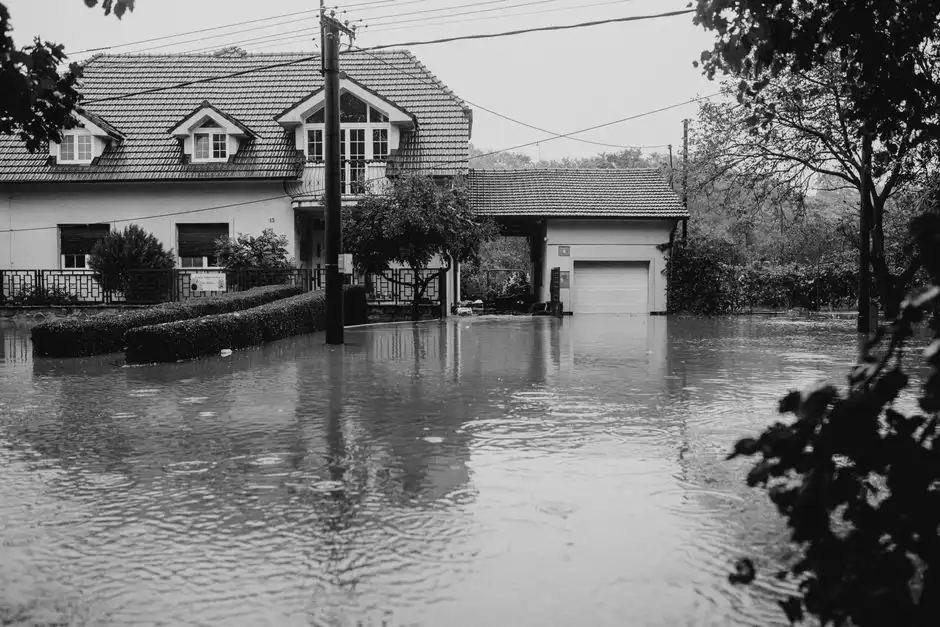
To remove standing water from a flooded basement safely, first shut off all power to the area at the breaker panel, then pump the water out in stages using a submersible pump or wet/dry vacuum, and finally dry the space completely within 24-48 hours to prevent mold. Never enter a flooded basement if the water level is above electrical outlets or if you smell gas. This guide walks you through each step, from emergency safety to final drying, with specific advice for Naples homes.
Basements flood in Naples for reasons that are different from most of the country. We are at or near sea level, we get 50+ inches of rain a year, and our water table can rise fast during summer storms. That means a flooded basement here is often not just a plumbing leak-it is groundwater pushing up through the floor or seeping through block walls. Knowing why it happened helps you fix it right.
Why does basement flooding happen in Naples?
Naples basement flooding is usually caused by one of four things: heavy rain overwhelming the drainage system, a rising water table, a failed sump pump, or a plumbing leak. In our area, the first two are the most common. During a typical summer afternoon thunderstorm, we can get 2-3 inches of rain in an hour. The ground is already saturated from previous storms, so water has nowhere to go but into your basement.
Older homes in neighborhoods like water damage restoration Naples in Olde Naples often have original clay tile drain lines that crack and clog with roots. When those fail, water backs up against the foundation. Newer construction is not immune either-improper grading or downspouts that discharge too close to the house can channel thousands of gallons right to your basement wall.
If your basement floods after every heavy rain, the problem is likely groundwater or drainage, not a one-time plumbing failure. That distinction matters because the fix is different. A plumber can repair a burst pipe, but groundwater needs a different approach: foundation drainage, sump pumps, and sometimes exterior waterproofing.
Safety first: What to do before you touch the water
Before you remove any water, you must eliminate electrical and health hazards. Floodwater in Naples can carry sewage, chemicals, and bacteria from the street. It is never clean. The first priority is your safety, not your belongings.
Here is your pre-removal checklist:
- Shut off power at the breaker. If the panel is in the basement and you must stand in water to reach it, do not go in. Call an electrician or the power company to cut power from outside.
- Check for gas smells. If you smell rotten eggs, leave immediately and call 911. Do not flip switches or use your phone inside.
- Wear protective gear. Rubber boots, gloves, and an N95 mask are minimum. Floodwater can contain E. coli, hepatitis, and other pathogens.
- Ventilate if possible. Open windows or use fans to move air, but only if you have safe access and no gas risk.
- Document everything. Take photos and video before you move anything. Your insurance adjuster will need them.
If the water is deeper than a few inches or covers electrical outlets, stop and call a professional. We handle emergency water removal Naples FL for exactly these situations-our team has the pumps and safety gear to enter safely and get the water out fast.
Step-by-step: How to remove standing water safely
Once the area is safe, you can start removing water. The key is to do it in stages and to avoid stirring up sediment that can clog your equipment. Here is the process we use on professional jobs, adapted for a careful DIY approach.
1. Stop the source first
If a pipe is still leaking or a sump pump has failed, fix that before you pump. Otherwise you are bailing a sinking boat. For a burst pipe, shut off the main water valve. For groundwater, you may need to wait until the rain stops and the water table drops.
2. Pump out the bulk water
Use a submersible pump or a wet/dry shop vac. A submersible pump can move 1,500-3,000 gallons per hour, which is much faster than a shop vac. Place the pump on a flat surface-not directly on the floor if there is a lot of debris-and run the discharge hose to a safe drain or outside area away from the foundation.
Important: Pump in stages. If you pump too fast, the water pressure outside the walls can cause the walls to crack or collapse. Drop the water level by about one-third, wait an hour, then continue.
3. Use a wet/dry vacuum for the remaining water
Once the water is down to a half-inch or less, a wet/dry shop vac works well. Use a squeegee to push water toward the vac. Empty the vac frequently-floodwater is heavy and can overflow quickly.
4. Remove wet items and debris
Get wet carpets, furniture, and boxes out of the basement as soon as possible. The longer they sit, the more mold risk. If you have carpet water damage restoration Naples FL needs, we can often save the carpet if we get to it within 24 hours.
5. Dry the space completely
This is the step most homeowners rush. You need to dry the walls, floor, and any remaining structure to below 16% moisture content. Use dehumidifiers, fans, and open windows if the outside humidity is low. In Naples, outside humidity is often 80% or higher, so running a dehumidifier is essential. It can take 3-5 days to dry a basement properly.
For a full professional drying setup, we use water extraction and drying Naples FL equipment that includes commercial dehumidifiers and air movers. That is often the difference between a dry basement and a mold problem.
DIY vs. professional basement water removal in Naples
DIY basement water removal in Naples is possible for small, clean-water floods-say, a few inches from a failed water heater. But most basement floods here involve groundwater or sewage, and those are not DIY jobs. The table below shows the difference.
- Water volume: DIY works for under 100 gallons. Pros handle thousands of gallons with truck-mounted pumps.
- Water type: Clean water (supply line) is DIY-safe. Gray or black water (sewage, groundwater) requires professional sanitization.
- Drying: DIY with a shop vac and box fan rarely dries the structure. Pros use moisture meters and thermal imaging to confirm dryness.
- Mold risk: Mold can start in 24-48 hours. Pros apply antimicrobials and set up containment to stop it.
- Insurance: Most insurers require professional documentation for a claim. DIY receipts are often not enough.
If your basement floods after heavy rain in Naples, the water is likely contaminated. We treat those jobs as flood cleanup and restoration Naples FL projects, which include extraction, disinfection, and drying. That is not something you can replicate with a shop vac and a fan.
How much does professional basement water removal cost in Naples FL?
Professional basement water removal in Naples FL typically costs $1,500 to $6,000 for an average 500-square-foot basement, depending on water depth, contamination level, and how much drying is needed. For a small, clean-water flood, you might pay $800-$1,500. For a sewage-contaminated flood, expect $3,000-$8,000 or more because of the extra sanitization and disposal.
Those are 2026 pricing ranges for our area. The biggest cost drivers are:
- Water category: Clean water is cheapest. Gray water (washing machine, dishwasher) costs more. Black water (sewage, groundwater) is the most expensive.
- Square footage: More area means more extraction and drying equipment.
- Drying time: Most basements take 3-5 days. If materials like drywall or insulation are soaked, they may need to be removed and replaced.
- Mold: If mold is already present, add $1,000-$3,000 for remediation.
We provide upfront pricing before we start, so you know the full cost. If you are comparing basement water removal Naples FL options, ask each contractor for a written scope that includes extraction, drying, and sanitization-not just pumping.
Common mistakes to avoid
We see the same mistakes over and over when homeowners try to handle basement flooding themselves. Avoiding these can save you thousands in repairs and prevent health problems.
- Entering the water before shutting off power. Electrocution is a real risk. If you are not sure how to cut power safely, wait for a professional.
- Pumping too fast. As mentioned, rapid pumping can cause foundation walls to crack or collapse. Slow and steady wins.
- Not removing wet drywall and insulation. These materials stay wet and grow mold even after the floor is dry. If they are soaked, they need to come out.
- Relying on a shop vac alone. A shop vac is fine for the last inch, but it cannot keep up with a flooded basement. You need a pump for the bulk water.
- Skipping sanitization. Floodwater is not clean. If you do not sanitize, you risk mold and bacteria. Use a professional-grade antimicrobial.
- Turning on the HVAC immediately. If the HVAC system was flooded, running it can spread contaminants through your house. Have it inspected first.
If you are dealing with a flooded basement in water damage restoration Naples in North Naples, we can walk you through these steps over the phone or come out and handle it for you.
When to call a professional
Call a professional if the water is deeper than a few inches, if it is contaminated (sewage or groundwater), if you see mold, or if your basement has finished walls and flooring. Those situations require specialized equipment and expertise. Our team handles water damage restoration services Naples FL for all types of basement flooding, from clean-water pipe bursts to sewage backups.
We also handle the insurance paperwork and work directly with your adjuster, so you do not have to manage that alone. If you are not sure whether you need help, call us and describe what you see. We will give you an honest answer.
Frequently Asked Questions
How do I safely remove standing water from my basement in Naples?
Shut off power at the breaker, wear protective gear, and pump the water out in stages using a submersible pump. Never enter if water covers outlets or you smell gas. For contaminated water, call a professional.
Can I use a shop vac to remove basement water in Naples?
Yes, but only for the final inch or two. A shop vac cannot keep up with a deeply flooded basement. Use a submersible pump for the bulk water first, then a shop vac for the remainder.
How much does professional basement water removal cost in Naples FL?
In 2026, expect $1,500-$6,000 for an average basement. Clean-water floods cost less; sewage-contaminated floods cost more. Most insurers cover the cost if the cause is sudden and accidental.
Is basement flood water dangerous in Naples?
Yes. Floodwater often contains sewage, chemicals, and bacteria. It can cause infections, and it promotes mold growth within 24-48 hours. Always wear protective gear and sanitize thoroughly.
How long should I wait to remove standing water in Naples?
Remove it as soon as it is safe to do so-ideally within 24 hours. Waiting increases mold risk and can weaken your foundation. If you cannot start immediately, call a professional for emergency extraction.
Get help with water damage restoration Naples in naples
If your basement is flooded, you do not have to handle it alone. Our team provides water damage restoration Naples in naples, from emergency pumping to full drying and sanitization. Call us at +1 (725) 309-8505 for fast, local help.